Guides
Open Air vs Enclosed Photo Booth: Which Rental Is Better?
Open air vs enclosed photo booth: US floor space, guest counts and staffing decide which rental fits, with illustrative prices for each format.
What to take away
- Enclosed booths fit tight venues, small guest counts, and solo operators.
- Open air booths usually price higher in US markets and move crowds through faster.
- Floor space, ceiling height, and outlet placement decide more bookings than photo quality.
- Neither format captures every guest, and both queue late in the night.
The two formats in plain terms
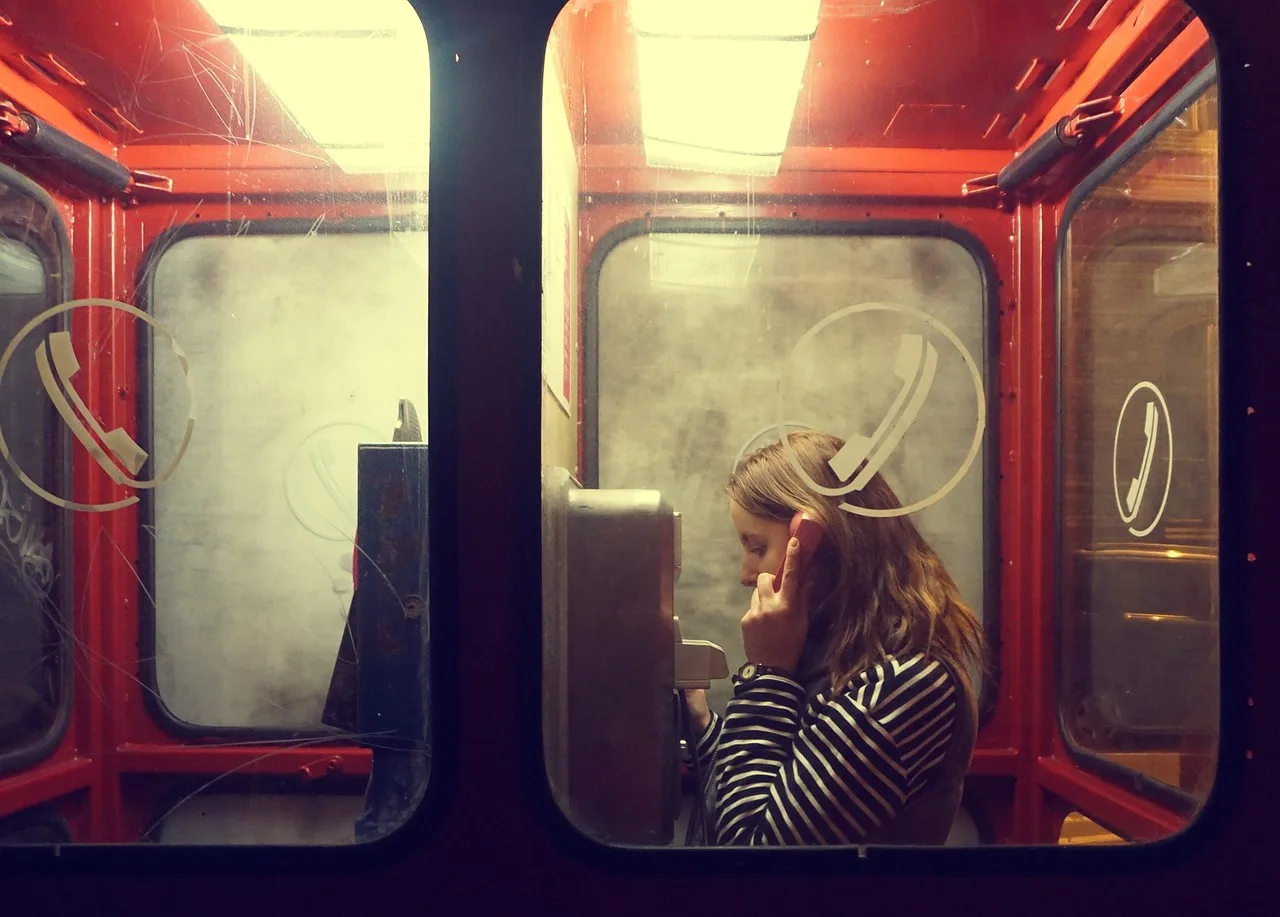
An enclosed photo booth is a cabinet with a curtain or a door. Guests step inside and the camera fires on a timer. The shell blocks stray light, hides the gear, and gives guests privacy.
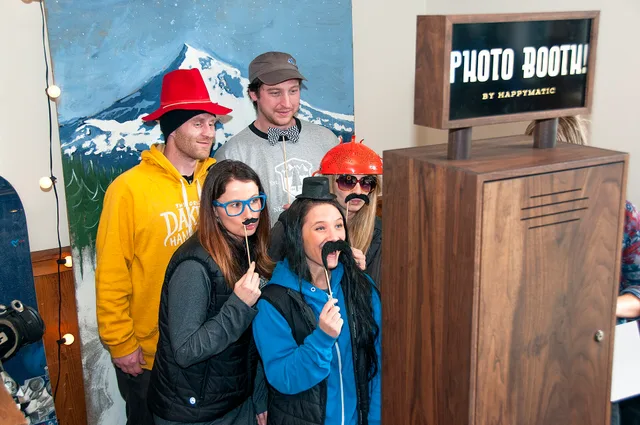
An open air booth replaces the cabinet with a backdrop and a camera on a tripod. Guests stand in front of it, often six or eight at a time. Cabinet styles and open styles are described side by side in the photo booth types overview.
Both formats print and both save digital files. The practical split comes down to space and staffing. A cabinet arrives on wheels and runs within 15 minutes. An open rig is built on site, and 45 minutes is normal.
Criteria that decide the choice
Score each format on five points before you look at price.
- Floor area the venue will actually release, measured in feet.
- Guest count and how quickly guests reach the booth.
- Ceiling height, wall space, and rigging rules.
- Whether an attendant stays for the whole booking.
- Poweroutlet distance, circuit load, and print volume.
Enclosed booth
- Footprint
- 6 to 10 sq ft
- Guests per hour
- 30 to 50
- Setup and strike
- 15 to 30 minutes
- Staffing
- Often unattended
- Rental price, illustrative USD
- $450 to $900
- Props
- Stacked inside the cabinet
Open air booth
- Footprint
- 80 to 120 sq ft
- Guests per hour
- 60 to 100
- Setup and strike
- 45 to 75 minutes
- Staffing
- Attendant usually required
- Rental price, illustrative USD
- $700 to $1,400
- Props
- Table or cart, self serve
Ranges are illustrative for planning, not quotes. Price follows the answers above. Equipment budgets for a first cabinet or backdrop kit are covered in SBA guidance on buying assets and equipment. Setting the fee is separate, covered in price photo booth rental services.
Where the enclosed booth wins
Choose enclosed when the venue offers a corner and nothing else. Hotel lobbies and taprooms often have less than 10 feet of clear wall. A cabinet drops in and plugs in. No build is required.
Choose it again when the guest count sits under 120 and the host wants the booth to run itself. One operator can deliver two cabinets in an evening, lifting revenue per hour worked.
A second cabinet is a capital decision shaped by depreciation rules, and the IRS explains Section 179 equipment deductions for owners weighing that purchase. Fleet size is its own decision, and how much photo booth rental inventory sets the number.
Where the open air booth wins
Open air wins when the room is big and the crowd is bigger. Above roughly 150 guests, the cabinet queue becomes the complaint. An open rig with an attendant moves people through in half the time.
It also wins on photos. A backdrop lit properly beats a curtain and a single flash. Lighting principles that apply to a portable backdrop are set out in the stage lighting reference. Two small lights on stands are usually enough for an 8 by 8 foot frame.
The third case is props. A table of hats and signs draws guests who would never close a curtain behind them, which shows up most at weddings.
What neither format solves
One camera takes one photo at a time. No format escapes that ceiling, and the ceiling bites late in the night when everyone wants a turn. Extra attendants help the flow, not the shutter.
Neither format fills itself. Someone has to walk the room and pull guests toward the booth. Hosts rarely do it, and the task usually lands on your attendant or the DJ.
Neither format fixes a bad room. A low ceiling, a missing wall, or an early teardown time will beat either design. Reliability is won across a season, and the photo booth preventive maintenance checklist is the routine that keeps a rig alive through busy months.
Example: a 180 guest reception in a rented hall
The hall measures 2,400 square feet with one blank 20 foot wall and a 12 foot ceiling. Cocktail hour runs first, then dinner, then dancing. Two hours of booth time remain after dinner.
An open air booth with an attendant fits this room. The wall carries the backdrop, the outlet is 12 feet away, and the crowd size needs the faster queue. Before signing the venue contract, run this list.
- Measure the wall and the distance to the nearest outlet.
- Ask when the room closes and when teardown must finish.
- Confirm the venue allows a backdrop stand and floor tape.
Then track the result. Capture rate, prints per guest, and idle minutes tell you whether the format matched the room. A monthly KPI routine keeps those numbers visible month to month.